
UNECE Inspection Certificate Services for Vehicle Compliance
International automotive trade has strict rules. For those selling cars in India, the UNECE Inspection Certificate is key. It shows your vehicles are safe and eco-friendly.
Without it, you might face big delays or even have your cars turned away. This is because customs needs proof your vehicles meet global standards.
Knowing about these rules is crucial for companies wanting to sell in India. Getting this certificate early helps you enter the market smoothly. It also saves you from legal troubles that cost a lot.
This check-up is good for everyone. It makes sure cars are top-notch, building trust in the Indian car market.
Key Takeaways
- The document is mandatory for ensuring automotive compliance in India.
- It validates that vehicles meet international safety and environmental standards.
- Importers must obtain this verification to avoid customs clearance delays.
- Proactive compliance helps businesses bypass complex legal hurdles.
- The process builds long-term trust with Indian consumers and regulators.
Understanding the UNECE Inspection Certificate
The UNECE Inspection Certificate is key for linking global safety rules with local market entry. It proves a vehicle meets strict UN Economic Commission for Europe standards. Compliance is not just a formality; it’s crucial for vehicle safety on public roads.Defining the Scope of UNECE Certification
This certificate checks many technical areas, like braking, lighting, and structure. It shows manufacturers’ commitment to quality engineering. A unece vehicle inspection confirms a model meets safety standards for international trade. In India, these standards align local rules with global ones. This makes it easier for importers to check their vehicles meet safety standards. Consistency in testing means every vehicle offers the same safety to users.Distinguishing Between Type Approval and Inspection Certificates
Many confuse the initial design check with the final unit check. The unece type approval process checks the design against rules. After approval, the focus is on individual units. The inspection certificate confirms mass-produced vehicles match approved designs. It validates the actual product, not just the idea. Knowing this difference is key for those in the unece vehicle inspection process.| Feature | Type Approval | Inspection Certificate |
|---|---|---|
| Primary Focus | Design and Prototype | Individual Production Units |
| Regulatory Goal | Validation of Standards | Verification of Conformity |
| Timing | Pre-production | Post-production |
| Key Requirement | unece type approval | Physical Unit Inspection |
The Role of UNECE Type Approval in Global Automotive Standards
The automotive industry is huge, needing a common language for safety and environmental standards. UNECE type approval is this key bridge, offering a standard framework across borders. It sets clear technical rules, making sure safety is met everywhere, no matter where a car is made or sold.Harmonization of International Inspection Standards
The main aim of these rules is to harmonize global inspection standards. When countries follow these unified protocols, they remove barriers to car trade. This means regulators can trust that a car certified in one place is safe in another. This makes the world of cars more predictable for everyone. With one set of rules, countries can focus on getting better, not dealing with different rules. This leads to a more efficient market, where innovation and safety go hand in hand for all drivers.Why Global Manufacturers Prioritize UNECE Compliance
Global makers focus on UNECE type approval because it makes their work easier. They don’t have to test each car for every market. Instead, one test lets them sell in many places, saving time and money. Also, following these standards shows a brand’s quality to the world. It means their cars meet high international standards. This not only makes things easier but also builds trust in markets like India, where following rules is key for trade.Navigating the UNECE Inspection Certificate Process
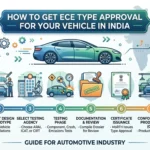
Successfully navigating the UNECE conformity assessment involves several critical stages of verification. By following a structured approach, businesses can effectively manage their regulatory obligations. This ensures all hurdles are cleared efficiently.Step-by-Step Conformity Verification Program
The conformity verification program acts as a roadmap for manufacturers aiming to meet international safety standards. This process typically begins with an initial assessment of the vehicle design against specific regulatory requirements. Once the initial review is complete, the manufacturer must undergo physical testing at an accredited facility. Following successful testing, the inspection body issues a formal report. This report serves as the foundation for the final certificate.Documentation Requirements for Successful Certification
Maintaining accurate records is vital for any inspection certification process. Without a complete and organized documentation package, the approval timeline can face significant delays or outright rejection.Technical Specifications and Test Reports
Manufacturers must provide detailed technical specifications that outline every aspect of the vehicle’s construction. These documents are paired with comprehensive test reports generated by authorized laboratories. These reports prove that the vehicle meets the necessary performance criteria. These reports must be clear, concise, and directly linked to the specific vehicle components under review. Ensuring that all data is current and verified is a non-negotiable requirement for international market access.Manufacturer Declarations and Quality Management Systems
Beyond technical data, authorities require formal declarations regarding the manufacturer’s internal processes. A robust Quality Management System (QMS) must be in place to ensure consistent production standards across all batches. These declarations confirm that the company adheres to strict oversight protocols throughout the manufacturing lifecycle. By prioritizing these documentation standards, firms can streamline their conformity verification program. This helps maintain long-term compliance in competitive global markets.Regulatory Compliance Requirements for Vehicles in India
Bringing international vehicle standards into India is key for importers. As India’s car market grows, matching foreign cars with local rules helps them enter smoothly. Proper documentation is essential for this.The Intersection of UNECE Standards and Indian Automotive Regulations
India is adopting global standards to improve road safety and protect the environment. While it has its own car rules, many are now in line with international ones. A UNECE Inspection Certificate proves a vehicle meets these high standards. Using these global standards helps manufacturers. It makes the inspection certification process easier. This link between global engineering and local rules is crucial.When Indian Importers Require International Certification
Importers must be careful when bringing cars into India. Some vehicles need strict proof of conformity. Getting a regulatory compliance certificate is a must for many foreign cars. This protects everyone involved.Importing Specialized Vehicles and Components
Special cars, like heavy-duty ones, get extra checks. They often need a detailed UNECE Inspection Certificate to show they meet Indian safety rules. Without it, customs checks can be long.Meeting Safety and Environmental Benchmarks
India has tough rules for car safety and the environment. Importers must show their cars meet these standards. A regulatory compliance certificate proves this. It’s key for cars to fit well in India’s car world.Working with an Approved Inspection Agency
Choosing a qualified inspection body is key to meeting global standards. Manufacturers and importers need a partner with the right technical skills. Selecting the right partner is crucial for entering new markets smoothly.Criteria for Selecting a Recognized Inspection Body
Look for organizations with formal accreditation for international inspection standards. A good approved inspection agency knows the local market well, like the Indian automotive sector. They should also communicate clearly and have a history of handling tough certification projects. Also, check if the agency has modern testing tools and follows strict unece vehicle inspection protocols. Here’s a table with important qualities to look for in a service provider.| Attribute | High-Quality Agency | Standard Agency |
|---|---|---|
| Accreditation | Global & Local | Local Only |
| Technical Expertise | Specialized | Generalist |
| Response Time | Rapid | Moderate |
| Regulatory Reach | Worldwide | Regional |
The Role of Third-Party Verification in Market Access
Third-party verification ensures your product is safe and meets quality standards. This is crucial for getting regulatory approval. By using an approved inspection agency, you show authorities your vehicle is safe. This verification also reduces the risk of delays in the import process. When your documents show a recognized unece vehicle inspection, it means your product meets top international inspection standards. This builds trust and keeps your vehicles compliant in a competitive market.Benefits of Conformity Verification Programs
A conformity verification program is key for companies wanting to enter new markets. It standardizes quality control, making operations smoother. This ensures all vehicles meet international standards.Mitigating Risks in International Trade
Global automotive trade is complex, with big legal and financial risks. A thorough unece conformity assessment spots compliance gaps early. This prevents costly delays and penalties. By tackling these needs early, makers avoid big problems. Here are the benefits:- Reduced financial liability by catching non-compliance early.
- Smoother customs clearance with verified documents.
- Consistent market access worldwide.
“Quality is not an act, it is a habit. In the automotive industry, this habit is defined by strict adherence to global safety standards.”
Enhancing Consumer Trust and Vehicle Safety
The main aim of a conformity verification program is to ensure safety. When a vehicle passes a unece conformity assessment, buyers trust it more. This builds a strong bond with the brand. Safety is crucial for success in the Indian auto market. Companies focusing on safety show they care about quality. This protects their reputation and keeps customers loyal.Conclusion
Success in the car industry needs a strong focus on safety and following international rules. A valid regulatory compliance certificate is key. It shows your cars meet today’s safety standards. Working with a trusted inspection agency is the best way to handle these rules. They help you keep up with changing global laws. Their help keeps your business safe from big delays and legal problems. By focusing on these standards, you can stand out in the Indian market and worldwide. Companies that check their cars properly earn the trust of both customers and regulators. Begin your certification process now to make sure your cars are ready for the future.FAQ
What is a UNECE Inspection Certificate and why is it necessary for the automotive industry?
A UNECE Inspection Certificate proves a vehicle meets international safety and environmental rules. It’s key for manufacturers and importers to clear customs. It also ensures vehicles meet global standards, including in India’s changing auto market.
How does UNECE type approval differ from an individual inspection certificate?
UNECE type approval certifies a vehicle design meets certain rules. An inspection certificate, on the other hand, checks if a vehicle actually meets these standards. It’s the last step before a vehicle is sold or registered.
Why do global manufacturers like BMW and Volkswagen prioritize UNECE compliance?
Big names like BMW and Volkswagen follow UNECE standards to make sure their cars are safe and quality everywhere. This helps them save money and make sure their cars are top-notch globally.
What documentation is required to successfully complete the inspection certification process?
Manufacturers need to give detailed specs, test reports, and Quality Management System declarations. This makes sure the inspection process is clear and can be checked by authorities.
When are Indian importers required to obtain a regulatory compliance certificate for foreign vehicles?
Indian importers need a compliance certificate for special vehicles or parts. This is crucial for high-end or unique imports that meet both local and global standards.
How should a manufacturer select an approved inspection agency?
Choosing a trusted inspection agency like TÜV SÜD or Bureau Veritas is important. Look for their recognition and expertise in verifying vehicles. This ensures the inspection is credible and accepted by authorities.
What are the primary benefits of participating in a conformity verification program?
Being part of a conformity program reduces legal and financial risks in international trade. It also builds trust with consumers. This means vehicles have been thoroughly checked, protecting the brand and ensuring safety for users.
 Previous Post
 Next Post