
UNECE Type Approval Services for Vehicle Compliance
Getting into the Indian car market is more than just a good product. You need to understand the complex rules to make sure your cars are legal. Knowing the Unece type approval process is key for any brand wanting to succeed here.
Planning your budget for vehicle homologation India is crucial. Many companies don’t plan well, leading to delays and extra costs. Start early to make your entry smoother and stay within the law.
Smart budgeting is the best way to handle the automotive certification India challenges. This guide will show you what to expect and how to plan your money. With the right plan, you can keep your business running well and make money.
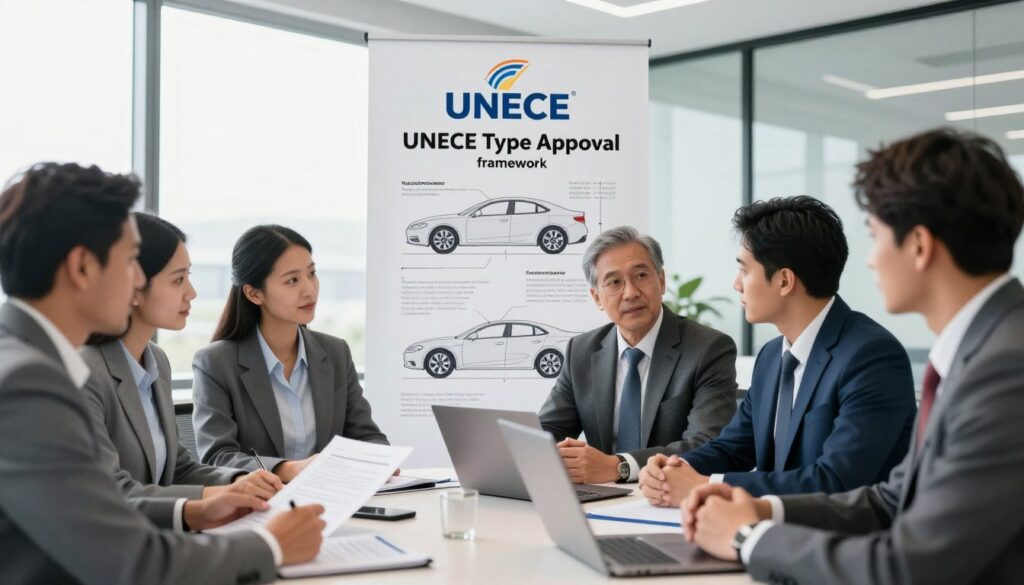

By breaking down these costs, businesses can manage their resources better. Proper budgeting helps avoid delays in projects. Keeping up with changes in COP audit requirements is key for success in the Indian auto sector.
The right partner guides you on vehicle variant certification needs, keeping costs down. Working closely with the testing agency helps solve technical issues early. This partnership is crucial for keeping costs in check throughout the compliance process.
Key Takeaways
- Following the rules is essential for success in India.
- Plan your finances early to avoid costly delays.
- Knowing the homologation rules gives you an edge.
- Setting aside money for tests and documents is important.
- Getting help from experts can make navigating the rules easier.
Understanding the UNECE Type Approval Framework in India
Understanding vehicle standards in India is complex. Manufacturers must follow safety and environmental rules to sell their products. The Unece type approval system checks if vehicles meet quality standards.
The Role of ARAI and ICAT in Certification
The Automotive Research Association of India (ARAI) and the International Centre for Automotive Technology (ICAT) are key in automotive certification India. They test vehicles to see if they meet safety standards. They do physical tests and check documents to make sure vehicles are safe. The ICAT certification process is important for manufacturers. Working with these agencies helps find and fix problems early. This makes getting approval faster and easier.Regulatory Alignment Between India and UNECE Standards
India is making its rules match global standards to help trade. This move towards UNECE regulatory compliance helps Indian cars compete worldwide. It makes the car industry in India strong globally. This change makes it easier for global brands to get Unece type approval in India. It means they don’t have to make big changes to their cars. Getting UNECE regulatory compliance is a big plus for car companies in automotive certification India. Knowing how the ICAT certification process works is key to success in this market.Breakdown of UNECE Type Approval Costs
Planning the budget for vehicle certification is complex. It requires a detailed look at all fees involved. Companies entering the Indian market must consider various costs for a smooth compliance process. Knowing these automotive testing fees helps in making accurate financial plans for new product launches.
Administrative and Application Fees
The first step in the UNECE type approval process includes fixed costs. These fees cover document processing, file management, and initial technical reviews. These costs are usually known in advance but mark the beginning of the certification journey.Testing and Laboratory Charges
The biggest part of the budget usually goes to laboratory tests. The ARAI testing cost depends on the vehicle’s engine size, weight, and safety features. Since testing can be complex, costs vary based on the number of tests and the vehicle’s technology.“Effective financial planning for vehicle certification requires a deep understanding of both the initial testing phase and the long-term maintenance of compliance standards.”
Conformity of Production (COP) Audit Expenses
Certification is not a one-time thing; it needs ongoing checks through COP audit requirements. These audits are crucial to keep mass-produced vehicles up to standard. Companies must plan for these ongoing costs to keep their certification valid throughout the product’s life.| Cost Category | Frequency | Primary Driver |
|---|---|---|
| Administrative Fees | One-time | Application volume |
| Laboratory Testing | Per project | Vehicle complexity |
| COP Audits | Recurring | Production volume |
Factors Influencing the Total Certification Budget
When planning for market entry, manufacturers must consider many factors that affect the total cost of certification. Getting vehicle homologation India needs a smart plan to manage costs well. Knowing these cost drivers early helps avoid unexpected expenses during testing.Vehicle Category and Complexity
The type of vehicle you make is the main factor in determining testing needs. A heavy-duty truck has different safety and emission rules than a car or bike. Complexity matters a lot, as vehicles with advanced tech or new power sources need more detailed testing.Number of Variants and Technical Specifications
Managing your project scope is key for vehicle variant certification. Each different version, like engine types or body styles, might need extra tests. It’s important to group variants wisely to avoid too much testing. Planning well in this area helps avoid unnecessary tests and keeps costs down. Clear documentation of technical details helps testing agencies know which tests apply to multiple variants. This saves money and keeps the certification budget lean.Logistics and Sample Vehicle Preparation
Good test vehicle logistics are crucial for the certification process’s timeline and cost. Moving prototypes to test sites needs careful handling to keep them in good shape. Any damage or technical issues during transport can cause delays and extra costs. Also, getting the vehicle ready for testing involves special setup or equipment that skilled technicians must do. Working well with your engineering team and the testing lab ensures the vehicle is ready for inspection when it arrives. The table below shows how these factors affect your budget planning.| Cost Driver | Impact Level | Primary Financial Risk |
|---|---|---|
| Vehicle Category | High | Increased testing scope |
| Variant Count | Medium | Redundant testing fees |
| Logistics | Low to Medium | Transport and damage costs |
| Technical Specs | High | Specialized equipment needs |
Navigating the Testing Process for Cost Efficiency
Being efficient in the homologation process means more than just being quick. It’s about cutting down on unnecessary costs by being well-prepared. Companies in India need to be proactive in managing their automotive testing fees. By planning strategically, they can avoid overspending.Optimizing Test Plans to Reduce Redundancy
A good test plan is key to saving money on certification. Instead of testing every model, manufacturers can group similar ones. This way, they can use family approval to save on ARAI testing cost by avoiding repeated tests for small changes. Testing for the worst-case scenario first helps cover many variants with one report. This makes the vehicle variant certification process smoother. It ensures resources are used only where needed, saving time and money.Managing Documentation to Avoid Re-testing Fees
Bad or incomplete homologation documentation can lead to extra costs. If technical files are not precise, more testing might be needed. This can cost a lot. It’s important to have a strict review process for all submissions to avoid this. Having clear and detailed data helps avoid delays in testing. Investing in quality documentation saves money and speeds up getting products to market. Accuracy is the best insurance policy against high certification costs.Selecting the Right Testing Agency
Choosing between ARAI or ICAT needs understanding their strengths and what they offer. The ICAT certification process might be better for certain vehicles. Knowing this helps match the agency’s skills with your project’s needs.| Selection Criteria | ARAI | ICAT |
|---|---|---|
| Technical Specialization | Broad Automotive | Niche/Emerging Tech |
| Facility Proximity | High (Pune) | High (Manesar) |
| Cost Efficiency | Standardized | Competitive |
| Lead Time | Variable | Optimized |
Hidden Costs and Financial Contingencies
There are many hidden costs that can affect your budget. While the main testing fees are clear, other expenses can add up quickly. Strategic financial management is key to avoid unexpected costs that could mess up your schedule.Import Duties and Customs for Test Vehicles
Importing prototypes for testing comes with a big cost: customs duty. This duty is based on the vehicle’s value and can be high. Good test vehicle logistics help avoid extra fees and delays at Indian ports.Consultancy and Technical Support Fees
Dealing with India’s complex rules needs special help. A good automotive consultancy India can guide you through. They make sure your application is right and meets all local rules.Post-Certification Compliance Maintenance
Getting a certificate is just the start. You also need to keep up with safety and emission rules. Keeping your homologation documentation up to date is crucial for future checks and market checks.| Cost Category | Financial Impact | Risk Level |
|---|---|---|
| Customs Duties | High | Moderate |
| Consultancy Fees | Medium | Low |
| Compliance Audits | Medium | High |
| Logistics/Storage | Low | Moderate |
Strategic Budgeting for Automotive Manufacturers
Strategic budgeting is key for growth in India’s automotive sector. Seeing compliance as an investment helps firms deal with regulations. A solid financial plan keeps your business flexible and compliant with safety and environmental rules.Allocating Resources for Multi-Market Compliance
Expanding globally needs a smart approach to multi-market vehicle approval. Companies must wisely use resources to meet international standards without high costs. Working with a skilled automotive consultancy India helps in this process. Here are some budgeting tips:- Look for common regulations in India and abroad to cut down on testing costs.
- Focus on UNECE regulatory compliance early to avoid costly changes later.
- Set aside money for automotive certification India to handle unexpected issues.
Long-term Financial Planning for COP Audits
Staying sustainable in the auto sector means keeping up with post-certification compliance. Many forget that COP audit requirements are ongoing, which can hurt finances. Planning ahead keeps your production lines compliant without hurting cash flow. Good long-term financial management includes:- Have a special fund for COP audit requirements to avoid cash problems.
- Make post-certification compliance part of your quality management.
- Use automotive consultancy India to keep up with UNECE regulatory compliance changes.
Conclusion
Getting a handle on UNECE certification’s financial side needs careful attention. Manufacturers must plan for every cost to keep their finances healthy and meet safety rules. Making a precise budget helps avoid delays in your project. Remembering to include customs duty for test vehicles is key to your financial plan. These import costs can catch teams off guard if not included in the budget. Keeping a close eye on these expenses helps protect your money. Going for multi-market vehicle approval is a smart long-term move. It makes your testing more efficient and boosts your return on investment. This strategy helps your brand grow well in different parts of the world. Being proactive in the certification process helps your products hit the Indian market quickly. Good preparation turns challenges into chances to stand out. Begin planning now to ensure your car lineup’s success.FAQ
Q: Why is UNECE type approval essential for manufacturers entering the Indian automotive market?
A: Getting UNECE type approval is key for following rules and staying competitive. It helps make sure vehicles meet safety and environmental standards. This makes it easier to sell cars in India and other countries.
Q: What are the primary roles of ARAI and ICAT in the certification process?
A: ARAI and ICAT are the main groups that test and approve vehicles. They make sure cars meet India’s strict standards. This helps match national rules with UNECE standards, making it easier to get cars approved.
Q: What are the main components that make up the total automotive testing fees?
A: The cost includes fees for applying and testing, plus charges for special labs. There’s also a cost for ARAI tests. Don’t forget the cost of keeping your certification up to date with COP audits.
Q: How do vehicle variants impact the overall certification budget?
A: More vehicle types mean more testing and costs. Each type needs its own checks, which adds to the work and expenses. Planning well can help avoid surprises in your budget.
Q: What hidden costs should manufacturers prepare for during the homologation process?
A: There are extra costs like customs duty for test vehicles. You’ll also need to pay for technical help and document services. Remember to budget for ongoing compliance to keep up with changing rules.
Q: How can a manufacturer reduce the risk of expensive re-testing fees?
A: Managing your documents well is key to avoiding extra tests. Plan your tests carefully and double-check your data before submitting. This can speed up getting your cars to market.
Q: What are the advantages of planning for multi-market vehicle approval?
A: Planning for many markets at once can save money. It lets you use your resources better. This way, you can keep costs down for future audits and stay compliant.