
The Future of Transportation: How EV Charging Stations are Revolutionizing the Way We Travel
India is going through a huge change in its car industry. The country is moving away from fossil fuels to cleaner energy. This change is important for everyone.The key to this change is ev charging stations. These stations are crucial for a cleaner, more efficient way to travel in India.Creating a strong network of ev charging stations is essential. It helps cut down on carbon emissions and meets India’s climate goals. By investing in these stations, India is moving towards a greener economy.This article looks at the technical, economic, and social sides of this big change. We’ll see how it will change how we travel in the future.
Key Takeaways
- India is rapidly transitioning toward sustainable automotive energy solutions.
- Infrastructure development is the primary driver for mass electric vehicle adoption.
- Reducing carbon emissions remains a central pillar of national climate policy.
- Strategic placement of power points is vital for urban and rural connectivity.
- The shift creates significant economic opportunities within the green energy sector.
The Current State of Electric Vehicle Adoption in India
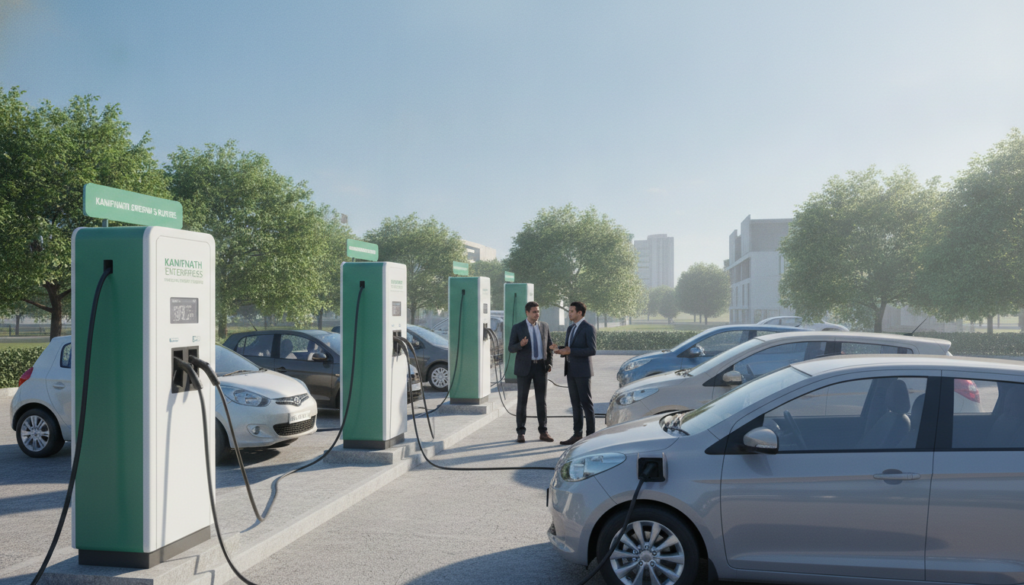
India is moving fast toward a greener future. Electric vehicles are now common, thanks to a growing number of electric vehicle charging stations. Both private and commercial sectors are turning to cleaner energy.
Government Initiatives and FAME II Policy
The Indian government is key in this shift with the FAME II policy. It offers big financial help to makers, making electric cars more affordable. This policy makes sure more electric vehicles are available for everyone.
The policy also focuses on electric vehicle charging stations. It gives money for fast-charging stations, which are needed for long trips. This helps build trust by making sure there’s power everywhere.
Shifting Consumer Preferences Toward Sustainable Mobility
Indian buyers are now choosing cars that are better for the planet. They want electric vehicle charging to be easy. This change is because they want to cut down on carbon and save money in the long run.
The market is answering with new products that meet different needs. From two-wheelers for daily rides to electric buses for public transport, the focus is on being efficient and reliable. The table below shows what’s driving the adoption of electric vehicles in India.
| Driver Category | Primary Benefit | Impact on Adoption |
|---|---|---|
| Government Policy | Financial Subsidies | High |
| Infrastructure | Electric vehicle charging access | Medium |
| Consumer Awareness | Environmental Impact | High |
| Operational Cost | Lower Fuel Expenses | High |
Understanding the Landscape of EV Charging Stations
A strong charging infrastructure is key for electric vehicles to become common. As more electric cars and two-wheelers hit the roads, finding places to charge is crucial. This helps drivers feel less worried about running out of power.
By setting up a wide range of charging spots, we can make sure energy is always available. This is true whether you’re at home, at work, or on a long trip.
Public Versus Private Charging Infrastructure
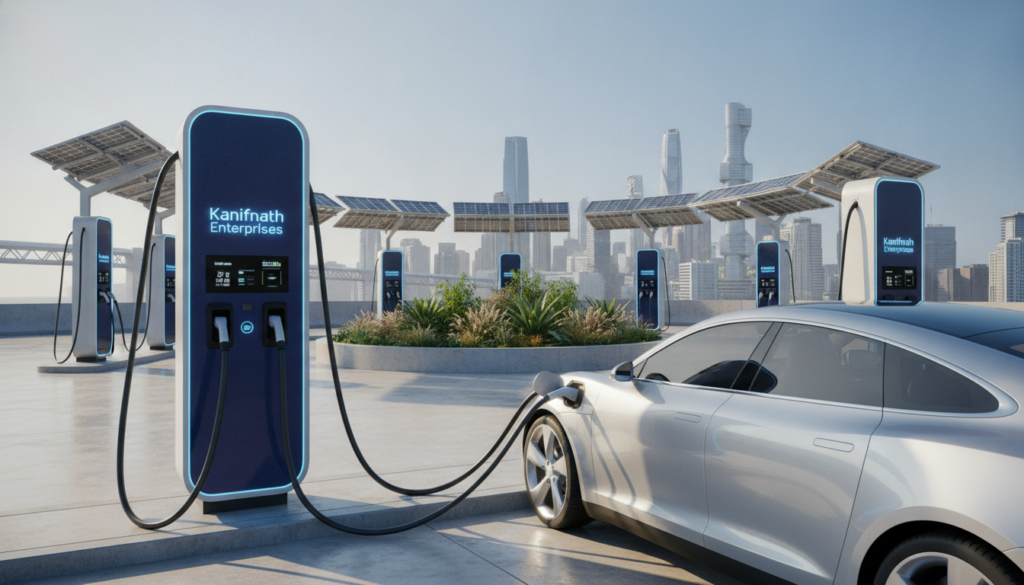
Public and private ev charging stations play different roles in cities. Private chargers, found in homes and offices, let cars charge overnight. This means you can start your day with a full battery, without needing to go to a public station.
Public chargers, on the other hand, are for busy spots and long trips. They use faster tech to cut down wait times for people on the go. It’s important to place these stations in malls, fuel stations, and along highways to support India’s electric vehicle growth.
The Role of Battery Swapping Technology
Battery swapping is a big deal for businesses. It lets drivers swap a dead battery for a new one in just minutes. This is great for two-wheelers and delivery services that need to keep moving.
This tech makes buying an electric vehicle cheaper by separating the battery from the car. It also means you don’t have to worry about finding a charging spot during rush hour. As it gets more popular, it will likely become a must-have for city deliveries and logistics.
| Charging Model | Primary User | Typical Location | Key Benefit |
|---|---|---|---|
| Private Home | Personal Owners | Residential | High Convenience |
| Public Fast | Long-distance Travelers | Highways | Rapid Refueling |
| Battery Swap | Commercial Fleets | Urban Hubs | Zero Downtime |
Technological Advancements in Fast EV Charging
Advances in power electronics are making fast ev charging more accessible. These changes are key for long-distance travel and high-demand urban areas in India. They help reduce wait times, encouraging more people to use electric vehicles.
Direct Current Fast Charging Capabilities
Direct Current (DC) fast charging is a big step up in electric vehicle charging efficiency. Unlike AC chargers, DC units send power straight to the battery pack.
This cuts down on wait times, allowing for quick charging. The high-power output means drivers can get a lot of range back in just a few minutes.
Integration of Smart Grid Technology
As more charging stations pop up, the power grid needs smart management. Smart grid technology is like the brain of the system, making sure energy is used well.
This tech uses real-time data to keep the grid stable. It prevents outages by managing energy flow effectively.
Optimizing Energy Distribution for Peak Hours
Handling energy during busy times is a big challenge for electric vehicle charging. New software lets charging hubs adjust power based on grid capacity.
This keeps the grid from getting too full during peak times. Load balancing ensures power is steady for all vehicles, keeping the network stable.
Renewable Energy Integration in Charging Hubs
Many modern hubs are using renewable energy like solar and wind. This makes the electricity powering vehicles cleaner.
By using on-site storage, these hubs can provide clean energy even when the sun or wind isn’t available. This reduces the need for fossil fuels and lowers carbon emissions from fast ev charging.
Key Players and Infrastructure Development
India is seeing a big change in its transport sector. Big companies and startups are working fast to add ev charging stations everywhere. They need to work together to make sure drivers can charge their cars easily, both in cities and on highways.
By mixing old energy skills with new tech, India is building a strong base for green transport. This will help the country move towards a cleaner future.
Major Energy Providers and Oil Marketing Companies
Big oil companies are key in this change. They are using their many fuel stations to add high-speed ev charging stations. This makes it easier for people to switch to electric cars.
These big players have lots of money and know-how. They can quickly build a lot of charging spots. This makes people more likely to choose electric cars.
By adding charging to places people already know, they help make the switch to clean energy smoother.
Emerging Startups in the Charging Ecosystem
Startups are bringing new ideas to the table. Companies like ChargeZone, Statiq, and Ather Energy are adding smart ev charging stations in homes and businesses. They focus on making things easy for users, with apps and clear info.
Working together, startups and big companies make a strong network. Startups add the tech smarts, while big companies provide the places. This teamwork makes sure there are enough ev charging stations for everyone.
| Stakeholder Type | Primary Strength | Infrastructure Focus |
|---|---|---|
| Oil Marketing Companies | Extensive Land Assets | Highway & Urban Hubs |
| Tech Startups | Software Innovation | Residential & Fleet Charging |
| Energy Utilities | Grid Connectivity | High-Capacity Power Nodes |
Overcoming Challenges in Charging Infrastructure
The move to electric cars is growing, but big hurdles need to be cleared. Building a solid charging infrastructure is key for more electric vehicles on Indian roads. Everyone must work together to tackle these technical and practical issues.
Standardization of Charging Connectors
One big problem is the lack of a standard charging plug. Different car brands use their own plugs, making public charging tricky. Standardization is crucial so any driver can charge at any station without needing many adapters.
Car makers are working on a common charging system. This will make using electric cars easier and more appealing. A single standard will help grow fast ev charging networks nationwide.
Grid Stability and Power Distribution Hurdles
Adding fast chargers to the grid is a big technical challenge. These chargers use a lot of power, which can overload local power lines. Keeping the grid stable is essential to avoid power cuts and ensure steady power.
Smart grid tech is a promising fix. It helps manage the power needed for charging. This way, more charging infrastructure can be added without harming the grid. It’s a key part of a green energy future.
Addressing Urban Space Constraints
Setting up charging stations in crowded cities is hard due to space issues. Finding good spots for fast ev charging hubs needs smart planning and teamwork with city officials. Now, developers are using parking lots and commercial areas to make the most of space.
Rural Connectivity and Accessibility
It’s just as important to bring electric cars to rural areas. Making sure everyone can use electric transport is crucial. Strategic investment in rural areas will help make electric cars available to all, promoting fair growth for everyone.
Economic Impact and Business Opportunities
The fast growth of ev charging stations is sparking new business ideas and jobs in India. This change is key for the country’s industrial growth, changing how it views energy and transport. As the market grows, it opens up chances for both big companies and new startups to do well.
Investment Potential in Charging Networks
Private equity and venture capital firms are now eyeing the exponential growth of the charging sector. Investing in ev charging stations is seen as a smart move for the future of transport. These stations are crucial for making money as more people switch to electric vehicles.
Smart investors are focusing on busy city areas and business centers to get the most out of their investment. By setting up advanced ev charging stations, companies can grab a big share of the market. They also help the country move towards cleaner energy. Here’s a table showing the main economic benefits of this growth.
| Economic Driver | Impact Level | Primary Benefit |
|---|---|---|
| Infrastructure Capex | High | Industrial manufacturing growth |
| Operational Services | Medium | Long-term job stability |
| Energy Distribution | High | Grid modernization revenue |
Job Creation and Skill Development in the EV Sector
The move to electric vehicles is changing the job market in big ways. New roles are popping up, from electrical engineers to software managers. The need for skilled workers is growing fast, with a focus on high-voltage systems and smart grid integration.
“The electrification of transport is not just a technological shift; it is a massive economic opportunity that will define the next decade of professional development in India.”— Industry Analyst
To meet this need, special training programs are key for workers. These programs help technicians and engineers handle the complex tasks of ev charging stations. By investing in people, India is set to lead in the green economy and offer new career paths for many.
Future Trends in Electric Vehicle Charging
The world of cars is changing fast, and electric vehicle charging is leading the way. New tech is making it easier to charge your car, just like parking. Say goodbye to heavy cables and manual plugs.
Wireless Charging and Autonomous Solutions
Wireless charging pads are a big step up in convenience. They use inductive power transfer to charge your car just by parking over a special pad on the ground.
This tech is great for autonomous fleets. Soon, we might see robots that automatically charge your car. They’ll find the right spot and charge your car without you doing a thing.
Vehicle-to-Grid Technology Implementation
Vehicle-to-Grid (V2G) tech is turning cars into energy helpers. Instead of just using power, electric cars will store energy too.
When the power grid needs it, you can send energy back. This bidirectional flow makes the grid stronger. It might even save you money.
These changes are making electric vehicle charging key to a better power grid. The next ten years will see big changes in how we move around in India.
Conclusion
India is on the verge of a big change in how we move around. Switching to electric cars is a big step towards a cleaner future. We need to grow our charging stations fast.
Tata Power and Ather Energy are leading the charge. They’re building networks that make electric cars easy for all. Their work makes clean air and less oil dependence real.
More money from both the government and companies is needed to move fast. The government’s support is key to keep costs down and more people using electric cars. Every new charging station brings us closer to a greener future.
You can help by choosing electric cars and sharing your thoughts. Talk about how electric cars are growing in your city. Let’s work together for a better world with smart energy choices.
FAQ
Why are ev charging stations considered the backbone of India’s sustainable transportation shift?
India is moving fast toward green energy. Ev charging stations are key to this change. They help make transportation cleaner and more efficient. This shift is crucial for cutting down on carbon emissions and meeting climate goals.
How does the FAME II policy accelerate electric vehicle charging adoption?
The FAME II policy gives big financial boosts to both makers and buyers of electric vehicles. It helps lower the cost of vehicles and supports the growth of charging spots. This makes electric cars more appealing and affordable for people.
What is the difference between public and private electric vehicle charging infrastructure?
Public charging spots are found in cities and along highways. They help ease worries about running out of charge. Private charging is for home or work use. Both are needed to ensure people can charge their cars wherever they are.
How does battery swapping technology complement traditional charging infrastructure?
Battery swapping is quick and easy for two-wheelers and big fleets. It lets drivers swap a dead battery for a new one in minutes. This is a fast way to charge without needing a traditional charger.
What makes fast ev charging a game-changer for long-distance travel?
Fast ev charging uses Direct Current to charge batteries quickly. This cuts down the time needed to recharge. It’s perfect for city driving and long trips, making electric cars as easy to use as gas cars.
How is smart grid technology being integrated into the charging ecosystem?
Smart grid tech helps manage the power grid’s load during busy times. It also makes sure charging uses clean energy. This supports India’s goal of using more green energy.
Which major players are leading the development of ev charging stations in India?
Big names like Tata Power, Jio-bp, and Adani TotalEnergies are adding ev charging to their services. Startups like Magenta Mobility and BluSmart are also playing a big role. They’re bringing new, tech-savvy solutions to the market.
What are the primary challenges in standardizing charging infrastructure?
Standardizing charging connectors is a big challenge. It’s important for different cars to use the same chargers. Also, finding space in cities and keeping the grid stable are key for a reliable charging network.
What economic opportunities does the expansion of charging networks create?
The EV sector is attracting a lot of investment. It’s creating jobs and the need for new skills in areas like electrical engineering. This is helping India’s economy grow.
 Previous Post
 Next Post